

Market Positioning
Establishing a strong market position is crucial for the success of any private label brand. It involves defining the target audience, identifying the unique value proposition, and crafting a compelling brand message that resonates with customers. Even if wholesalers don’t actively engage in market positioning, their brand will still be positioned by default, either by competitors or by customer perceptions in the lighting industry.
When developing a market positioning strategy for private label LED lighting, wholesalers should consider the following factors:
- Target Audience: Identify the specific customer segments that the private label brand aims to serve. This could include residential customers, commercial businesses, or industrial facilities. Understanding the needs, preferences, and purchasing behaviors of the target audience is crucial for tailoring product offerings and marketing messages.
- Value Proposition: Define the unique benefits that the private label LED lighting brand offers to customers. This could include superior product quality, innovative features, competitive pricing, energy efficiency, or a focus on sustainability. Clearly articulating the value proposition helps differentiate the brand from competitors and provides customers with a compelling reason to choose the private label products.
- Brand Message: Develop a clear and concise brand message that communicates the value proposition and resonates with the target audience. This message should be consistent across all marketing channels, including packaging, website, and promotional materials.

Appearance Design
Appearance design plays a vital role in creating a visually appealing and distinctive brand identity. When developing private label LED lighting products, wholesalers should consider factors such as color temperature, color rendering index (CRI), and beam angle to ensure that the lighting solutions not only meet functional requirements but also enhance the aesthetic appeal of the space.
Warm white light (2700K-3000K) creates a cozy and inviting ambiance, while cool white light (3500K-5000K) is ideal for highlighting products and creating a bright atmosphere. High CRI lighting (90+) ensures accurate color representation, enhancing the appearance of objects and merchandise. Additionally, wholesalers should consider the overall aesthetic and branding of the store or space when selecting LED lighting products, ensuring that the lighting complements the theme and enhances the brand identity in retail environments.
Furthermore, LED lighting can be strategically used to enhance point-of-purchase (POP) displays and attract customer attention. By incorporating LED lights into displays, wholesalers can create visually appealing presentations that highlight product features and draw customers’ eyes. This can be particularly effective in retail settings, where creating an engaging shopping environment is crucial for driving sales.
Packaging Specifications
Packaging specifications are essential for protecting the product during transportation and storage, as well as for conveying brand identity and product information. LED packaging serves several purposes, including shielding the LED chips and wiring from hazards, defending the chip using phosphors and silicone resin, and ensuring flexibility and standardization of future lighting products. Wholesalers should consider factors such as the footprint of the LED bulb, heat dissipation ability, and emission angles when selecting appropriate packaging solutions.
| Packaging Type | Description | Applications | Advantages |
| SMDs (Surface Mount Devices) | LEDs mounted to the circuit board surface | LED strip lights | Versatility |
| High Power Packaging | Designed for 1 to 3 Watt LEDs | Spotlights, reading lamps | High lumen output |
| Chip On Board Modules | Multiple LED chips mounted on a PCB | High bay flood lights | High lumen output, compact size |
In addition to the technical specifications, the packaging should include clear and concise information about the product’s features, such as bulb shape and size, base type, color temperature, lumens, wattage equivalence, CRI, dimmability, beam angle, lifespan, warranty, and specific functions. It’s also crucial to provide transparent data on product spec sheets, including standards and compatibility with dimmers, to help customers make informed purchasing decisions.
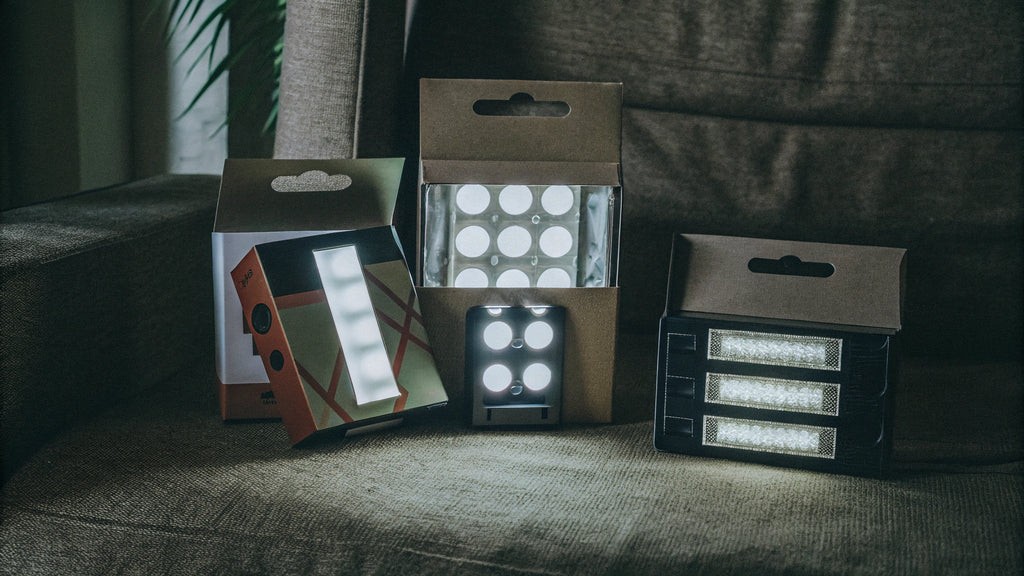
Moreover, wholesalers can leverage packaging and label design to create a signature presence for their private label brand. By incorporating brand-specific elements such as logos, colors, and imagery, wholesalers can establish a unique visual identity that reinforces brand recognition and differentiates their products in the market. It’s important to ensure that packaging materials align with the brand tone and comply with regulatory requirements and safety standards.
Intellectual Property Protection
Protecting intellectual property is crucial for safeguarding brand identity and preventing unauthorized use of designs and trademarks. Patents offer a shield of protection in a competitive market, ensuring that innovative contributions remain exclusive to the brand and fostering an environment for future innovation. Wholesalers should conduct thorough research and development to ensure that their private label LED lighting products are novel and represent a significant advancement over existing technology.
They should also consider trademark protection to prevent others from using confusingly similar marks for related goods or services. When collaborating with OEM manufacturers, it’s essential to establish clear agreements regarding intellectual property ownership and confidentiality. Non-disclosure agreements (NDAs) play a crucial role in protecting sensitive information and ensuring that both parties understand their obligations regarding intellectual property rights.
Collaborating with OEM Manufacturers
Wholesalers can collaborate with OEM manufacturers like Halcon to develop new private label LED lighting products. This collaboration involves several key steps:
- Initiation of New Project: This initial stage involves engaging in detailed discussions with the OEM manufacturer to define the project scope, specifications, and quotations. Wholesalers should clearly communicate their requirements, including desired product features, performance standards, and target market. This stage also involves negotiating pricing, minimum order quantities, and potential customization options.
- Research and Design: Wholesalers work closely with the OEM manufacturer’s design team to develop the product concept and design. This collaborative process involves sharing ideas, refining specifications, and ensuring that the final design aligns with the wholesaler’s brand identity and target market needs.
- Prototyping: The OEM manufacturer develops functional product prototypes for research and testing. These prototypes allow wholesalers to evaluate the product’s design, functionality, and performance before proceeding to mass production.
- Proofing Process: This stage involves rigorous testing and evaluation of the prototypes to ensure they meet the required functionality, performance, and safety standards. Various tests may be conducted, including:
- Rub Tests: Assessing the durability and adhesion of labels and markings on the product.
- Lumen Output and Efficiency Tests: Measuring the light output and energy efficiency of the LED lights.
- Ingress Protection (IP) Rating Tests: Evaluating the product’s resistance to dust and water ingress.
- Fatigue Tests: Assessing the durability of adjustable parts and switches.
- Assembly Checks: Verifying the ease of assembly and installation.
- Thermal Performance Tests: Evaluating the product’s ability to dissipate heat efficiently.
- Electrical Safety Tests: Ensuring compliance with electrical safety standards.
- Photometric Testing: Measuring parameters such as luminous intensity, color temperature, CRI, and beam angle.
- Certification Testing: This step ensures that the LED lighting productsmeet relevant safety and performance standards, such as UL, ETL, FCC, CSA, CE, and RoHS certifications. Obtaining these certifications is crucial for demonstrating product quality, ensuring consumer safety, and complying with regulatory requirements.
- Manufacturing: Once the prototypes have been approved and certified, mass production of the LED lighting products commences. The OEM manufacturer manages the production process, ensuring efficient manufacturing and timely delivery.
- Quality Assurance: Throughout the manufacturing process, stringent quality control measures are implemented to ensure consistent product quality. This may involve regular inspections, performance testing, and adherence to established quality standards.
- Service and Support: Wholesalers should collaborate with OEM manufacturers to provide after-sales service and support to customers. This may include technical assistance, warranty support, and addressing any product-related inquiries or issues.
In addition to the steps outlined above, wholesalers should consider the following when collaborating with OEM manufacturers:
- DLC Qualification: For private label LED lighting systems, it’s essential to understand the DesignLights Consortium qualification process. This process involves meeting specific eligibility criteria, submitting applications, and coordinating with OEM suppliers to ensure compliance with DLC requirements.
- Long-Term Contracts and Open Communication: Building strong and long-lasting relationships with OEM manufacturers is crucial for successful private label initiatives. Negotiating long-term contracts can provide stability and ensure consistent product supply. Fostering open communication channels facilitates effective collaboration, allowing for timely resolution of any issues and ensuring alignment on project goals and timelines.

Collaborating with Retailers
Beyond OEM manufacturers, wholesalers can also explore collaborations with retailers to further expand the market reach and brand exposure of their private label LED lighting products. Partnering with established retailers provides access to a wider customer base and established distribution channels. Retailers can also offer valuable insights into market trends, consumer preferences, and emerging demands, helping wholesalers identify product opportunities and refine their offerings.
Balancing Cost and Time Cycle
Balancing cost and time cycle is crucial for successful private label LED lighting product development. Wholesalers should carefully consider factors such as production volumes, lead times, and customization options when negotiating with OEM manufacturers. They should also explore strategies to optimize the supply chain, such as negotiating bulk shipping rates, optimizing packaging, leveraging regional warehouses, and automating supply chain processes.
Understanding the price elasticity of demand for LEDs can help wholesalers set appropriate discount levels and balance program goals with savings targets and freeridership. It’s important to consider the declining prices of LED technology and the impact of LED luminaires on the demand for replacement bulbs when making cost-related decisions.

Case Studies and Practical Experiences
While specific case studies of wholesalers launching private label LED lighting products are limited in the provided industry reports, there are examples of successful private label initiatives in other industries and insights into the practical experiences of companies utilizing OEM partnerships. For instance, retailers like Walmart have successfully implemented energy-efficient lighting programs by partnering with companies like Current (formerly GE Lighting) to install LED fixtures across their stores, parking lots, and distribution centers. These initiatives demonstrate the potential for cost savings, reduced maintenance, and improved sustainability through private label LED lighting solutions.
Another example is Sanmina, a leading electronics manufacturing services provider, which has demonstrated expertise in producing advanced outdoor LED lighting products for various applications, including landmarks and architectural projects. This highlights the potential for wholesalers to collaborate with OEMs like Sanmina to develop high-quality and innovative private label LED lighting solutions.
Conclusion
Private label LED lighting presents a significant opportunity for wholesalers to differentiate themselves, build brand loyalty, and increase profitability in a growing market. By carefully considering factors such as market positioning, appearance design, packaging specifications, intellectual property protection, collaboration with OEM manufacturers and retailers, and balancing cost and time cycle, wholesalers can successfully navigate the challenges and capitalize on the opportunities of private label LED lighting.
One of the key takeaways is that LED lights are excellent candidates for private labeling due to their versatility, high demand, and potential for innovation in design and functionality. Wholesalers can leverage these characteristics to create unique and differentiated product offerings that cater to specific market needs.
However, it’s important to acknowledge the challenges associated with private label LED lighting. Competition from established brands, ensuring consistent product quality, managing inventory, and potential risks associated with relying on manufacturing partners are some of the factors that wholesalers need to address.
To mitigate these challenges, wholesalers should focus on building strong partnerships with reliable OEM manufacturers, investing in research and development to foster innovation, and implementing robust quality control measures throughout the supply chain. Additionally, staying informed about market trends, consumer preferences, and technological advancements will be crucial for sustained success in this dynamic landscape.
By effectively leveraging the opportunities while mitigating the challenges, wholesalers can establish a strong presence in the private label LED lighting market and achieve long-term growth and profitability.